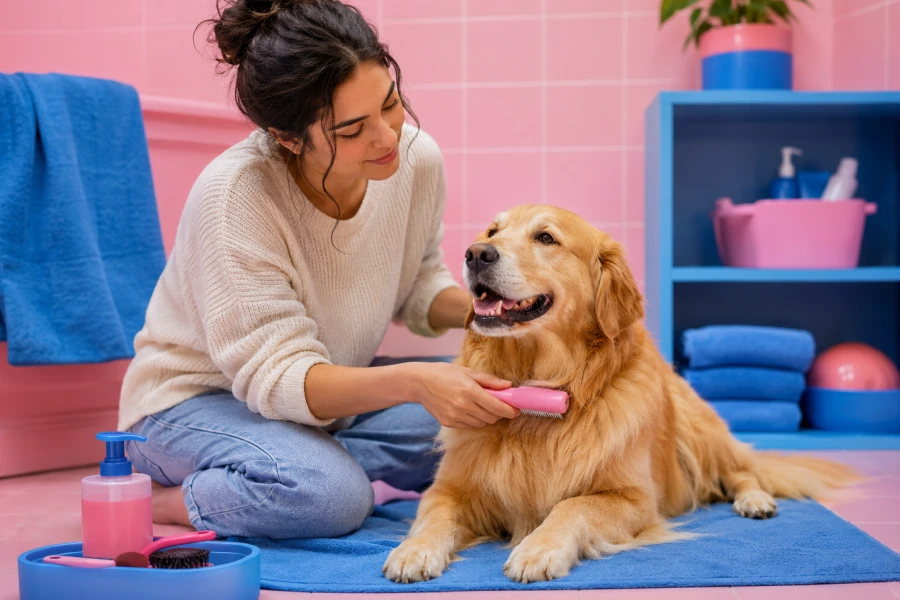
Responsible pet parenting is built through daily choices that protect comfort, safety, health, and emotional trust. It is not only about big decisions. It appears in fresh water, clean bowls, safe rooms, patient training, and regular observation. Pets depend on owners to notice what they cannot explain. That responsibility can feel heavy at first. A simple care system makes it manageable. Owners become calmer when expectations are clear. Pets become more secure when routines are steady. The relationship grows stronger through dependable care.
Awareness means paying attention before problems become urgent. Watch appetite, sleep, stool, energy, and mood. Notice how your pet reacts to noise, visitors, grooming, and alone time. These patterns create a personal baseline. A practical pet parent responsibilities mindset helps owners act sooner. It also reduces guilt because decisions feel informed. Pets show changes in small ways. Owners who observe closely respond with better timing. Awareness is quiet, but powerful.
Boundaries keep pets safe. They also make homes more peaceful. Dogs may need leash rules, door manners, or chewing limits. Cats may need protected counters, scratching outlets, or safe climbing zones. Boundaries work best when paired with alternatives. Do not only say no. Show the better choice. Reward calm behavior. Keep rules consistent across the household. Pets learn faster when humans agree. Fair structure reduces confusion and conflict.
Health care is easier when it becomes routine. Schedule wellness visits. Keep vaccines and preventives current. Monitor weight and mobility. Brush teeth when possible. Check ears, paws, coat, and skin. Store medications safely. A dependable daily care planner can keep these tasks from slipping. Preventive habits protect pets quietly. They also help owners avoid panic. Health routines are an expression of love.
Training should build communication. It should not create fear. Pets learn through repetition, reward, timing, and clarity. Keep sessions short. Choose one skill at a time. Reward progress quickly. Avoid shouting when your pet is confused. Look for the need behind the behavior. A pet that struggles may need easier steps. Patience protects trust. Better trust creates better learning. Responsible care respects both behavior and emotion.
Families, roommates, and children need shared expectations. Everyone should know feeding rules, door safety, and emergency contacts. Children need supervision around pets. Guests need boundaries too. Consistency prevents mixed signals. A clear pet safety at home routine protects both animals and people. Shared homes work best when care does not depend on memory alone. Use visible notes if helpful. Simple communication prevents many mistakes.
Responsibility includes financial readiness. Food, grooming, supplies, veterinary care, and unexpected needs all cost money. Set aside emergency funds when possible. Keep insurance or savings options in mind. Know where the nearest urgent clinic is located. Save phone numbers before you need them. Prepare transport supplies. Emergencies feel less frightening when basics are ready. Planning does not mean expecting trouble. It means protecting your pet when trouble appears.
Responsible care should fit real life. Overly complicated routines often fail. Start with essential habits. Improve one area at a time. Use reminders when needed. Keep supplies organized. Ask for help when overwhelmed. Responsible pet parenting becomes sustainable when it is clear and repeatable. Pets do not need perfect owners. They need committed owners who keep learning. That steady effort creates safety, trust, and lasting companionship.




Leave a comment