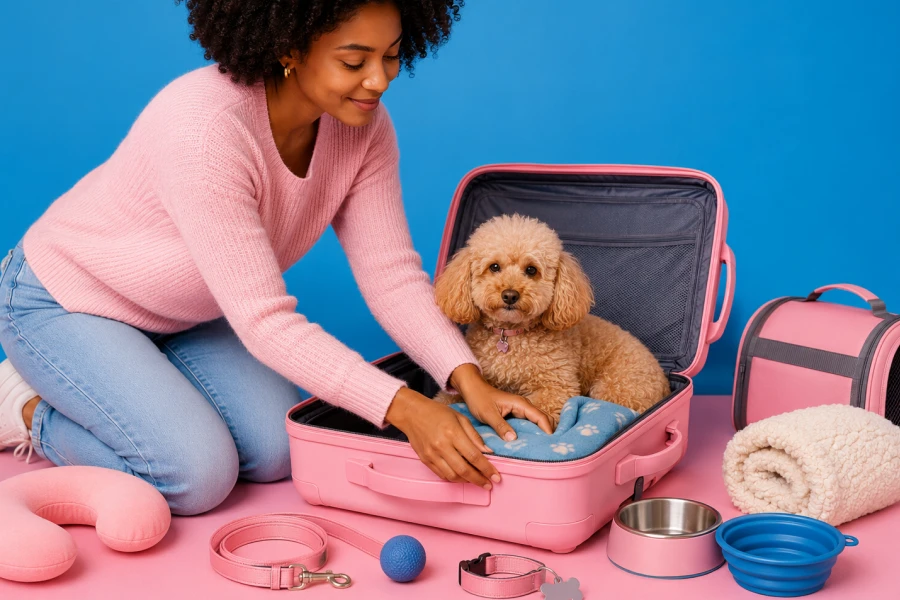
Pet travel preparation can turn a stressful departure into a smoother, safer experience for everyone involved. Dogs and cats notice rushed energy quickly. They respond to bags, keys, carriers, and unfamiliar schedules. A clear plan helps reduce confusion before the trip begins. It also gives owners more control over timing, supplies, and comfort. The best travel routine starts days before leaving home. Small steps make the process feel predictable. Pets settle faster when their needs are anticipated. Owners feel more confident when essentials are already organized. That confidence shapes the entire journey.
Successful trips begin with observation. Watch how your pet reacts to carriers, car rides, sounds, and routine changes. Some pets need gradual exposure. Others need extra rest before travel day. A strong pet travel checklist helps prevent last-minute mistakes. It also keeps food, medications, documents, and comfort items in one place. Preparation becomes easier when each task has a reason. You know what matters most. Your pet senses that steadiness. The trip starts with less tension.
Departure time often creates the most stress. Pets see unusual movement around the house. They may hide, pace, vocalize, or refuse food. Keep the final hour simple. Avoid loud packing or sudden schedule changes. Offer a familiar blanket or toy early. Let your pet enter the carrier calmly. Use treats when appropriate. Stay quiet and consistent. A peaceful exit does not happen by accident. It comes from repeating small signals your pet already understands.
Dogs and cats usually need different comfort strategies. Dogs may benefit from short practice rides. Cats often need slower carrier conditioning. Both need secure spaces during transport. A loose pet can become frightened or unsafe quickly. Use a stable carrier, harness, or crate based on the trip type. Add absorbent lining when needed. Bring water in a spill-safe container. Keep feeding light before departure. These simple choices support travel safety for pets without overcomplicating the process.
Travel changes digestion and energy levels. Some pets eat normally. Others refuse meals until they feel safe. Pack familiar food instead of testing something new. Measure portions before leaving home. Schedule breaks around your pet’s usual rhythm. Dogs may need outdoor pauses. Cats may need a quiet litter option during longer trips. Water matters more than snacks. Comfort stops should feel calm, not rushed. Your pet benefits when every stop has structure.
Anxiety usually grows when pets cannot predict what happens next. Familiar smells help. Gentle handling helps. Quiet voices also help. Use the same carrier before the trip. Place it near your pet several days ahead. Let the space become normal. Avoid forcing entry unless necessary. A thoughtful stress-free trip planning process builds trust slowly. Pets may not love travel immediately. Still, they can learn that movement does not always mean danger.
Longer travel requires extra planning. Check destination rules before leaving. Review vaccination records, identification, and emergency contacts. Pack extra medication when relevant. Bring cleaning supplies for accidents. Save your veterinarian’s number somewhere easy to reach. Hotels, airports, and rental homes may have specific pet policies. Confirm those details early. A prepared owner avoids stressful surprises. The pet receives calmer care because the human is not scrambling.
The best travel routine improves after each trip. Notice what worked. Notice what created stress. Adjust supplies, timing, and comfort items next time. Keep a permanent travel bag if you travel often. Restock it after returning home. Update documents when needed. Practice short calm outings between bigger trips. This keeps the process familiar. Over time, your pet learns the pattern. Travel becomes less dramatic, more organized, and easier to repeat.


Leave a comment