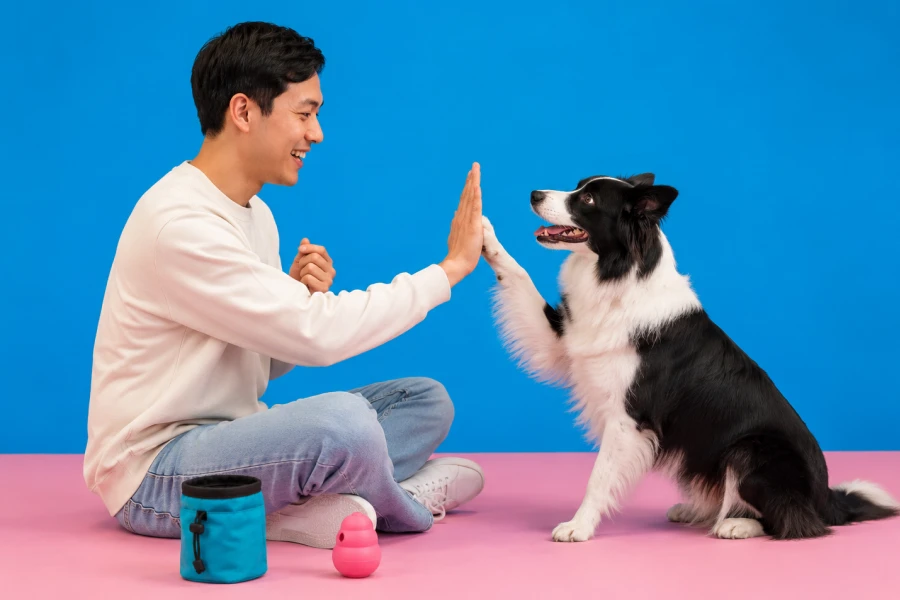
Mental stimulation for dogs and cats helps pets stay calmer, happier, and more responsive inside the home. Physical exercise matters, but it is not the whole story. A bored pet can still act restless after a walk. A clever cat can still cause trouble after playtime. Pets need chances to think, search, choose, and solve. These moments build confidence. They also reduce repetitive frustration. Owners often see better behavior when the mind is engaged. Small mental tasks can create big daily changes.
Behavior often reflects unmet needs. Dogs may bark because their brains need work. Cats may scratch or prowl because their instincts need outlets. Mental tasks redirect that energy. Food puzzles, scent trails, training cues, and hunting games create focus. A balanced set of pet mental exercise ideas gives owners more options. Pets learn to work through small challenges. Success feels satisfying. That satisfaction often leads to better rest.
Every pet learns differently. Some dogs love structured training. Others prefer sniffing and searching. Some cats chase wand toys. Others prefer puzzle feeders or hidden treats. Start with easy wins. Increase difficulty only when confidence grows. Frustration can make enrichment feel unpleasant. Watch body language closely. Relaxed attention is ideal. Your pet should look curious, not overwhelmed. The right challenge creates engagement without pressure.
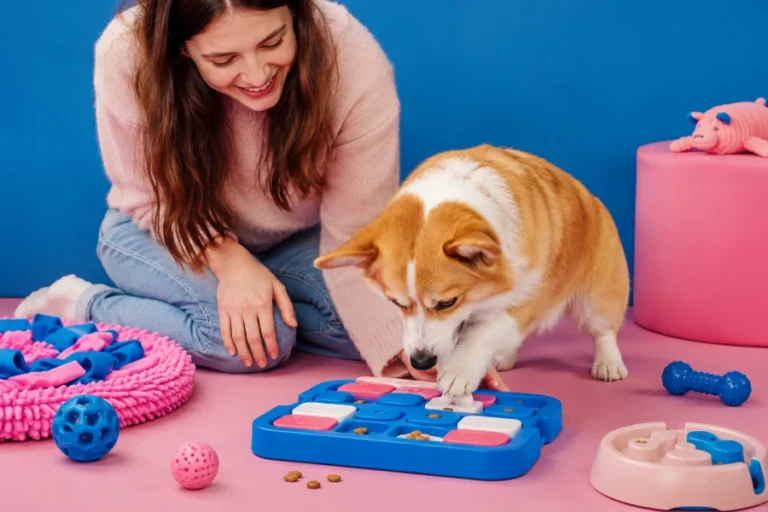
Meal times are perfect for easy enrichment. Instead of using a plain bowl every time, create simple tasks. Scatter kibble safely for sniffing. Use a slow feeder. Hide small portions around a room. Offer puzzle toys with supervision. Cats may enjoy hunting-style feeding. Dogs may enjoy scent-based searching. A smart routine planning for pets approach turns eating into a healthy activity. Feeding becomes more meaningful. Pets finish meals with more satisfaction.
Owners often imagine enrichment as loud, messy, or time-consuming. It can be quiet. A towel puzzle takes minutes. A cardboard box can become a search game. A window perch can provide visual interest. A scent object can keep a dog focused. Calm enrichment matters for nervous pets. It also helps apartment households. Choose activities that match your space. Avoid anything that creates unsafe chewing. Useful stimulation can be simple, clean, and peaceful.
Busy schedules need realistic systems. Prepare activities ahead of time. Keep a small rotation of safe options. Use short training moments before work. Offer calming puzzles after exercise. Save higher-energy games for supervised time. A practical boredom relief for pets plan prevents guilt and inconsistency. Pets do not need nonstop entertainment. They need dependable moments of engagement. Those moments are easier to maintain when they fit naturally.
Training is not only obedience. It is communication. Short sessions help pets understand expectations. Dogs can practice cues, impulse control, or targeting. Cats can learn stationing, recall, or carrier comfort. Keep rewards small and frequent. End before your pet loses focus. Celebrate effort. Training builds trust when it stays positive. It gives pets a job. That job can reduce restless behavior. It also makes daily care easier.
The best results come from repetition. Add thinking games to regular routines. Use meal time, playtime, grooming, and quiet evenings. Rotate easy, medium, and relaxing tasks. Avoid making every session difficult. Rest is part of learning. Mental stimulation for dogs and cats should feel sustainable. Owners stay consistent when activities are simple. Pets thrive when the day has purpose. A more thoughtful routine creates a calmer home.



Leave a comment