Daily pet care routine habits help owners catch small issues before they become bigger sources of stress. Pets depend on regular meals, clean spaces, movement, attention, and rest. They also depend on humans noticing changes. A routine makes those changes easier to see. It turns care into a rhythm instead of a scramble. The best routine is practical, not complicated. It should fit your schedule and your pet’s real needs. Over time, consistency creates trust. It also makes home life calmer.
Stability helps pets feel safe. Predictable meals, walks, litter care, play, and rest reduce uncertainty. Owners also benefit from fewer forgotten tasks. Start with nonnegotiables. Food, water, hygiene, medication, and safety checks come first. Then add enrichment and training. A clear practical pet care system keeps the routine manageable. Pets do not need elaborate schedules. They need dependable care. Simple stability supports better behavior.
Mornings shape the rest of the day. Refresh water. Offer breakfast as appropriate. Check appetite and energy. Take dogs outside when needed. Clean litter areas. Give a few minutes of calm attention. Notice unusual behavior before leaving home. Prepare enrichment for alone time if needed. Keep your own pace steady. Pets read rushed energy quickly. A calm morning helps everyone start better.
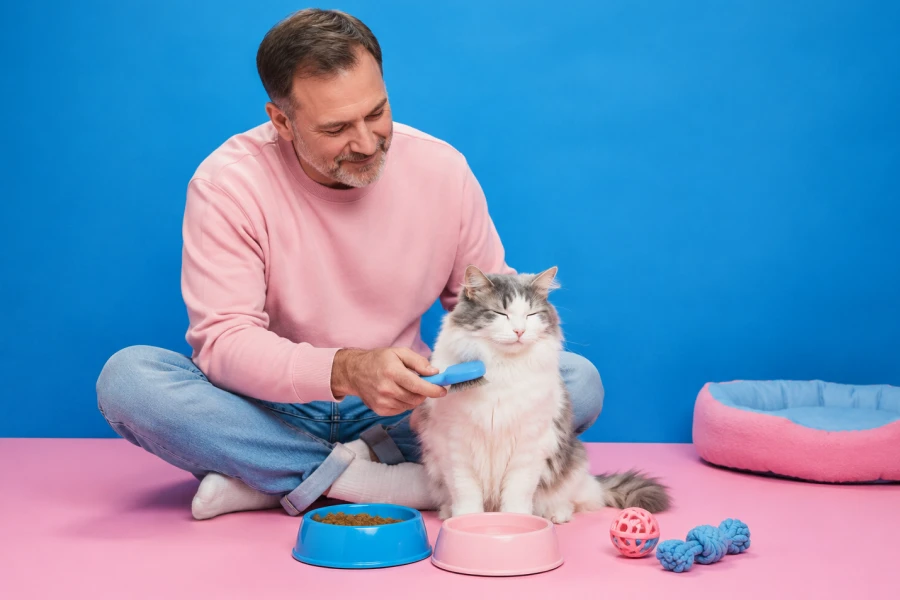
Food and hygiene routines protect health quietly. Wash bowls often. Store food properly. Measure portions instead of guessing. Watch weight changes. Brush coats based on breed and coat type. Trim nails when needed or schedule help. Keep bedding clean. A dependable responsible dog ownership mindset includes small maintenance tasks. Cats need the same attention in different forms. Clean care prevents discomfort.
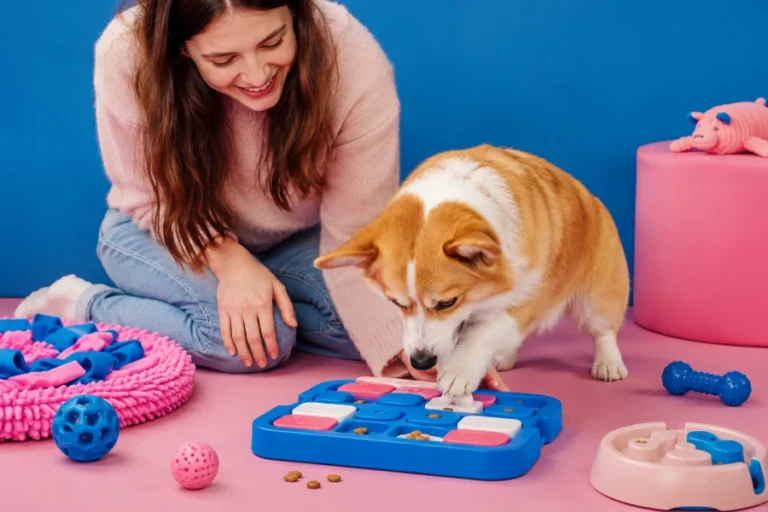
Daily care should include more than maintenance. Pets need engagement. Use short play sessions. Practice simple cues. Offer scent games or puzzle feeders. Rotate toys. Give cats climbing, scratching, and hunting outlets. Give dogs sniffing, chewing, and learning opportunities. Keep activities brief enough to repeat. Mental work helps pets settle. Play strengthens connection. Training improves communication. Together, these habits make care feel richer.
Evenings are ideal for checking comfort. Refill water. Clean bowls. Put toys away. Offer calm play or gentle grooming. Prepare supplies for tomorrow. Review medications if needed. Make the sleeping area comfortable. A steady confident pet parenting rhythm reduces late-night rushing. Pets relax when the home slows down predictably. Owners also feel more organized. The day closes with less friction.
Routine makes observation easier. Notice appetite, thirst, bathroom habits, mood, movement, and sleep. Small changes may mean stress, pain, illness, boredom, or aging. Do not panic over every difference. Track patterns instead. Call a professional when something concerns you. Early action often prevents bigger problems. Owners who observe daily understand their pets better. That understanding supports better decisions. A routine becomes a quiet health tool.
The best system is the one you can repeat. Do not build a routine that only works on perfect days. Choose habits that fit busy mornings, tired evenings, and normal interruptions. Use reminders if needed. Keep supplies organized. Share responsibilities clearly in family homes. Daily pet care routine success comes from consistency, not complexity. Your pet benefits from dependable attention. You benefit from less mental clutter. Together, the home feels steadier.



Leave a comment