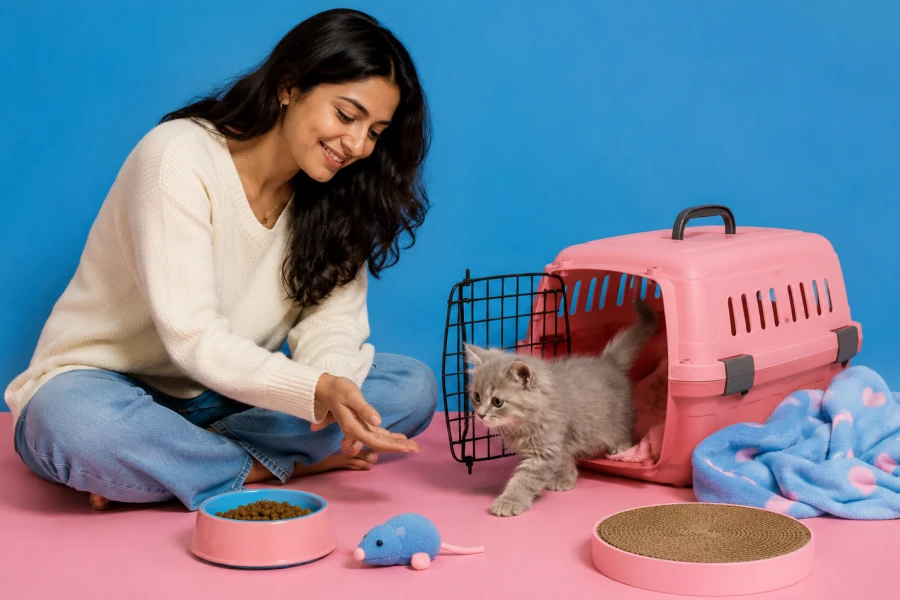
New pet parent essentials help owners move through the first weeks with more confidence and fewer rushed decisions. Bringing home a pet is exciting, but it can also feel surprisingly intense. There are supplies to choose, routines to build, and behaviors to understand. Pets are also adjusting to unfamiliar sounds, smells, people, and rules. A steady setup makes the transition gentler. Owners do not need perfection on day one. They need practical priorities. The right essentials create safety first. Comfort and confidence grow from there.
New owners often buy too much too quickly. More supplies do not always mean better care. Start with food, bowls, bedding, waste tools, identification, grooming basics, and safe containment. Add toys based on personality. Choose quality over clutter. A focused set of new pet owner tips helps reduce overwhelm. Pets need stability more than constant novelty. Simple choices are easier to maintain. The first goal is safety. The second goal is routine.
Home setup matters before the pet enters. Remove unsafe plants, cords, chemicals, and small objects. Secure trash, food, and medications. Decide where eating, sleeping, toileting, and playing will happen. Create quiet spaces away from heavy foot traffic. Use gates or closed doors when needed. Keep supplies close to their use areas. Make the first environment manageable. Too much freedom too soon can create stress. A thoughtful setup prevents confusion.
Pets settle faster when days have structure. Plan feeding times, bathroom breaks, play, rest, and training. Keep the schedule realistic. Avoid changing everything at once. Observe your pet’s natural energy. Adjust gradually as you learn. A reliable pet home setup supports that rhythm. Supplies should help routines happen smoothly. The environment should make good choices easier. Consistency turns uncertainty into comfort.
New pets may act differently during adjustment. Some hide. Some bark. Some refuse food briefly. Some test boundaries. These reactions do not always mean failure. They often mean the pet needs time. Watch patterns calmly. Offer structure, patience, and gentle encouragement. Avoid overwhelming introductions. Keep visitors limited at first. Celebrate small signs of trust. Confidence grows slowly. Owners feel better when they expect an adjustment period.
Health planning should begin immediately. Schedule a veterinary visit. Confirm vaccines, preventives, microchip status, and diet guidance. Keep records organized. Learn warning signs that require professional help. Store emergency contacts clearly. A practical cat care basics and dog care foundation prevents missed steps. Species-specific needs matter. Cats, dogs, puppies, kittens, adults, and seniors all require different support. Safety improves when owners ask better questions early.
Trust grows from repeated safe moments. Feed consistently. Handle gently. Use rewards often. Keep training short. Respect rest. Avoid forcing affection. Let your pet approach when possible. Learn their favorite comforts. Repeat positive routines daily. Small predictable moments create emotional security. The first weeks shape the relationship. Gentle repetition tells your pet that this new home is safe.
No new owner knows everything at once. Confidence comes from learning, noticing, and adjusting. Keep a simple list of questions for your veterinarian. Track routines that work. Remove supplies that create clutter. Add tools only when there is a real need. New pet parent essentials should support your life, not overwhelm it. Your pet benefits from steady care. You benefit from clearer priorities. Together, you build a calmer beginning.



Leave a comment